
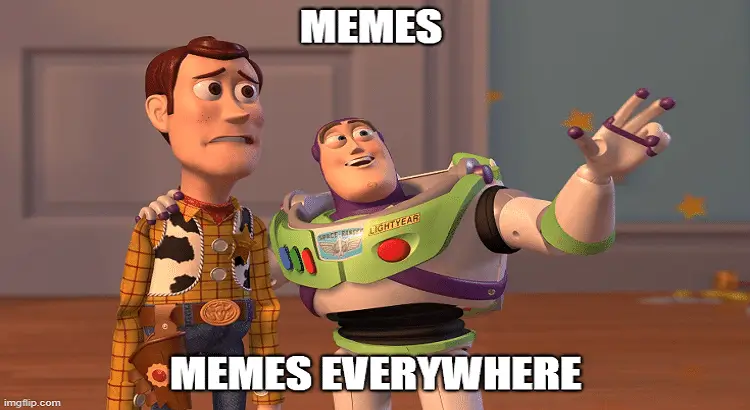
In the age of digital communication, humor has become one of the most powerful tools to connect, engage, and influence audiences online. Memes, in particular, have revolutionized the way people share ideas, emotions, and social commentary across the internet. These simple yet impactful images, paired with witty or relatable text, spread rapidly, often going viral and shaping cultural conversations. For content creators, marketers, and everyday users alike, understanding how to effectively harness the power of humor in digital media can be a game-changer.
One essential skill that has emerged from this trend is the ability to create meme content that resonates with target audiences. While the process may seem straightforward—combining an image with text—the subtleties behind what makes a meme truly successful are far more nuanced. A well-crafted meme captures the zeitgeist, evokes emotion, and encourages sharing, all while fitting seamlessly within the platform’s culture and style.
The art of meme creation starts with recognizing current trends and identifying relatable themes. Popular memes often tap into shared experiences, social issues, or even niche hobbies that cultivate a sense of community. By integrating timely references or clever twists on familiar scenarios, meme creators can spark instant recognition and amusement. This emotional connection is critical because it motivates viewers to engage, comment, and spread the content further.
Technological advancements have made it easier than ever to craft custom memes. Numerous online tools and apps provide user-friendly interfaces where individuals can choose from a vast library of images, add captions, and customize fonts and styles—all without needing graphic design expertise. Such platforms empower users to swiftly create meme content tailored to their unique voice or brand identity, enhancing authenticity and relatability.
Moreover, memes have evolved beyond mere entertainment to become potent marketing instruments. Brands are increasingly incorporating humor and meme culture into their digital strategies to humanize their image and connect with younger, digitally native audiences. When executed well, meme-driven campaigns can increase brand awareness, foster loyalty, and even drive conversions by resonating on a personal level. However, striking the right balance is crucial; content must be relevant, tasteful, and aligned with brand values to avoid backlash.
Community engagement is another significant benefit of embracing meme culture. By encouraging followers or customers to create meme content themselves—through contests, hashtags, or interactive campaigns—brands can tap into user-generated creativity, boosting visibility and fostering a participatory relationship with their audience. This collaborative approach not only spreads the brand’s message organically but also cultivates a sense of belonging and enthusiasm among supporters.
In addition to social media and marketing, memes have found a place in education, activism, and even corporate communications. Educators use humorous imagery to simplify complex topics and enhance retention, while activists leverage memes to raise awareness on critical issues in a digestible format. Corporations incorporate light-hearted content to improve internal culture and make communication more approachable.
Ultimately, the impact of memes lies in their ability to blend humor with relatability, making complex or sensitive topics more accessible and engaging. For those looking to make their digital presence more vibrant and impactful, mastering the art of creating meme content is an invaluable skill that merges creativity, cultural insight, and strategic thinking.
As the internet continues to evolve, memes will remain a dynamic and essential form of expression, influencing how we communicate, connect, and create in the digital world. Embracing this trend thoughtfully and authentically opens doors to endless possibilities for engagement and growth across platforms and communities.