

Shopping for clothes should feel empowering—not frustrating. The key isn’t chasing trends; it’s understanding your proportions and choosing pieces that complement them. When you dress in a way that highlights your natural structure, everything looks more intentional and balanced.
Below is a practical, body-positive guide to help you shop smarter and build a wardrobe that truly works for you.
Why Body Shape Matters in Clothing
Every body is unique, but most silhouettes fall into a few general categories. These categories are not rules—they’re reference points that help you understand:
- Where your proportions are naturally balanced
- Which areas you may want to highlight
- How fabrics and cuts influence visual harmony
The goal isn’t to “fix” anything. It’s to create visual balance and confidence.
1. Apple Shape (Fuller Midsection)
Characteristics:
- Broader upper body
- Fuller waist area
- Slimmer legs
What Works Best
- V-neck and scoop neck tops to elongate the torso
- Empire waist dresses that flow away from the midsection
- Structured blazers to create clean lines
- Straight or slim-cut pants to highlight legs
What to Be Careful With
- Clingy fabrics around the midsection
- High-neck tops that shorten the upper body
- Excess bulk or heavy layering around the waist
2. Pear Shape (Wider Hips)
Characteristics:
- Hips wider than shoulders
- Defined waist
- Smaller upper body
What Works Best
- Off-shoulder or boat neck tops to broaden the upper body visually
- Statement sleeves or embellishments near the shoulders
- A-line skirts that skim over hips
- Wide-leg trousers for balance
What to Be Careful With
- Skinny bottoms without volume on top
- Hip embellishments or heavy pocket details
- Very clingy fabrics below the waist
3. Hourglass Shape (Balanced Curves)
Characteristics:
- Balanced bust and hips
- Clearly defined waist
What Works Best
- Wrap dresses that emphasize the waist
- Fitted tops and tailored jackets
- High-waisted jeans or skirts
- Body-skimming silhouettes
What to Be Careful With
- Oversized shapeless garments
- Straight-cut dresses that hide the waist
- Excess layering that conceals natural curves
4. Rectangle Shape (Athletic Build)
Characteristics:
- Shoulders, waist, and hips similar in width
- Less defined waist
What Works Best
- Belts to create waist definition
- Peplum tops for added curves
- Layered outfits for dimension
- Flared skirts or wide-leg pants
What to Be Careful With
- Boxy cuts
- Drop-waist dresses
- Ultra-straight silhouettes
5. Inverted Triangle (Broader Shoulders)


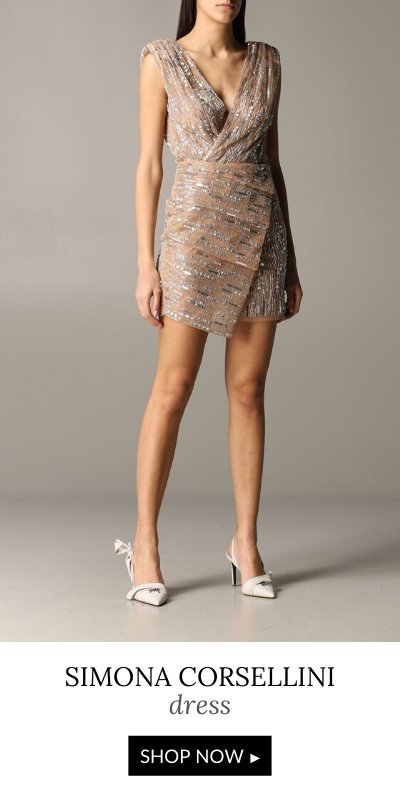
Characteristics:
- Broad shoulders
- Narrower hips
- Often athletic upper body
What Works Best
- V-necklines to soften shoulder width
- A-line skirts for lower-body volume
- Wide-leg pants to balance proportions
- Darker tops with lighter bottoms
What to Be Careful With
- Shoulder pads
- Puff sleeves
- Boat necklines that exaggerate width
Universal Shopping Tips for Every Body Type
No matter your shape, these strategies improve fit and style:
1. Prioritize Fit Over Size
Sizes vary widely between brands. Focus on:
- How the garment sits at the shoulders
- Whether it pulls or gaps
- Whether you can move comfortably
Tailoring can transform an average piece into a perfect one.
2. Choose the Right Fabric
- Structured fabrics create clean lines
- Draped fabrics soften curves
- Stretch blends enhance comfort
- Thick fabrics smooth silhouettes
3. Use Color Strategically
- Dark shades minimize
- Bright tones draw attention
- Monochrome outfits elongate
- Strategic color-blocking shapes proportions
4. Invest in Good Undergarments
Well-fitted bras and seamless shapewear dramatically improve how clothes sit on the body.
5. Don’t Ignore Proportions
Balance matters more than trends. For example:
- Pair loose tops with fitted bottoms
- Combine structured pieces with soft textures
- Keep visual weight evenly distributed
Dressing for Confidence, Not Rules
Body shape guidelines are tools—not restrictions. If you love something that breaks these “rules,” wear it. Confidence transforms any outfit more effectively than design principles ever could.
The real goal of shopping is to feel comfortable, capable, and authentic in what you wear.
Frequently Asked Questions (FAQ)
1. Can my body shape change over time?
Yes. Weight fluctuations, muscle development, pregnancy, and aging can alter proportions. It’s helpful to reassess your fit preferences periodically.
2. What if I don’t fit exactly into one body category?
Many people are a blend of two shapes. In that case, borrow styling strategies from both and prioritize what flatters your most prominent features.
3. Are certain trends unsuitable for specific body types?
Trends can work for anyone when styled thoughtfully. Adjust proportions, layering, or tailoring to make them suit your frame.
4. How important is tailoring?
Extremely important. Minor adjustments—hemming pants, taking in the waist, adjusting sleeves—can elevate an outfit dramatically.
5. Should I hide areas I’m self-conscious about?
Instead of hiding, shift focus. Highlight areas you love while using structure, color, or drape to balance proportions naturally.
6. Do prints affect how clothing looks on different body types?
Yes. Large prints can add visual weight, while smaller prints tend to minimize. Strategic placement of patterns can enhance or soften specific areas.
7. Is body shape more important than height when shopping?
Both matter. Proportion plays a bigger role than height alone. Petite and tall shoppers benefit from considering vertical balance alongside body shape.