
Jewelry often carries more than monetary value—it holds memories, milestones, and personal expression. Whether it’s a family heirloom or an everyday favorite, proper care ensures each piece keeps its brilliance for years to come. With a few consistent habits and the right techniques, you can maintain the shine, strength, and beauty of your collection.
Why Proper Jewelry Care Matters
Everyday exposure to air, moisture, skin oils, cosmetics, and environmental pollutants gradually affects metals and gemstones. Over time, this can lead to:
- Dullness or tarnish
- Scratches and surface wear
- Loose stones or weakened clasps
- Discoloration of delicate materials
Routine maintenance not only keeps jewelry looking its best but also prevents costly repairs.
General Jewelry Care Guidelines
These universal tips apply to most fine and fashion jewelry.
1. Put Jewelry on Last
Perfume, hairspray, lotions, and makeup contain chemicals that can damage metals and dull gemstones. Always:
- Apply beauty products first
- Allow them to dry completely
- Put jewelry on as the final step
This simple habit significantly reduces buildup.
2. Remove Jewelry During Activities
Take off jewelry before:
- Exercising or swimming
- Showering or washing dishes
- Gardening or cleaning
- Sleeping
Chlorine, sweat, and physical impact can weaken settings and scratch surfaces.
3. Store Pieces Properly
Improper storage causes tangling, scratches, and tarnish. To protect your collection:
- Use a fabric-lined jewelry box
- Keep items in separate compartments
- Store chains flat or hanging to prevent knots
- Place anti-tarnish strips in storage areas
Soft pouches are ideal for travel.
Cleaning Jewelry at Home
Regular cleaning restores shine and removes residue. However, different materials require different care.
Gold Jewelry
Gold is durable but prone to scratches.
How to clean:
- Mix warm water with mild dish soap
- Soak for 10–15 minutes
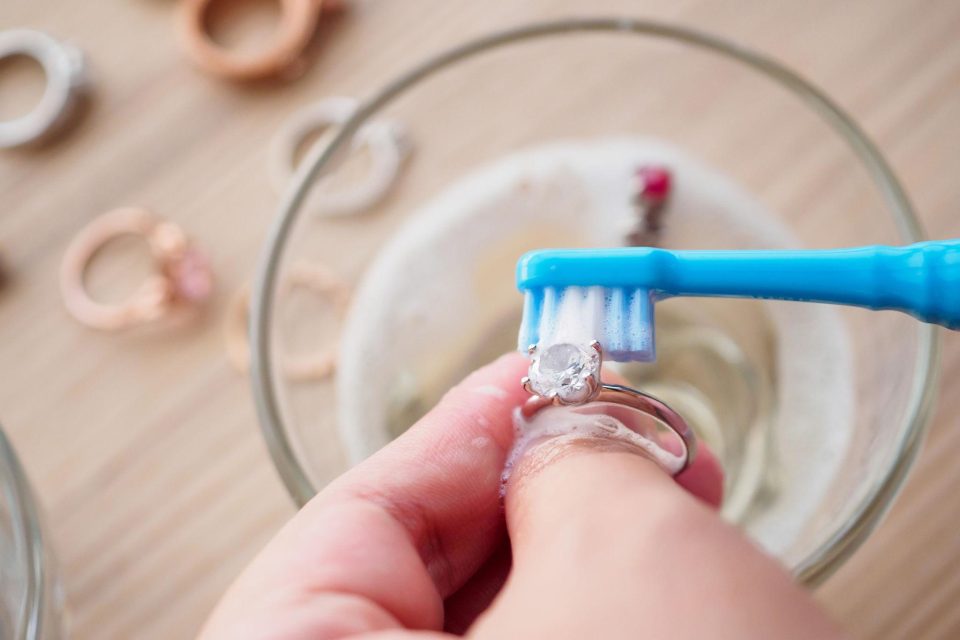
- Gently brush with a soft toothbrush
- Rinse and dry with a lint-free cloth
Avoid abrasive cleaners that can wear down the finish.
Silver Jewelry
Silver naturally tarnishes due to air exposure.
Best practices:
- Polish regularly with a silver polishing cloth
- Store in airtight containers
- Avoid paper towels, which can scratch
For heavier tarnish, use a silver-specific cleaner—but sparingly.
Diamond Jewelry
Diamonds attract oil and grease, reducing sparkle.
Cleaning method:
- Soak in warm water with mild detergent
- Gently brush around settings
- Rinse thoroughly and pat dry
Have settings professionally checked once a year to ensure stones remain secure.
Gemstone Jewelry
Not all gemstones tolerate water or chemicals.
- Hard stones (sapphire, ruby) can handle mild soap cleaning
- Porous stones (opal, turquoise) should only be wiped with a damp cloth
- Avoid ultrasonic cleaners unless recommended
Always verify care instructions specific to your gemstone.
Pearl Jewelry
Pearls are delicate and require special attention.
- Wipe gently with a soft, damp cloth after wearing
- Never soak in water
- Store flat in a soft pouch
- Avoid airtight plastic bags—they need slight moisture
Pearls benefit from being worn occasionally, as natural skin oils help maintain their luster.
Preventing Tarnish and Damage
Proactive care reduces the need for deep cleaning.
- Keep jewelry away from humidity
- Remove before entering pools or hot tubs
- Avoid direct sunlight for extended periods
- Schedule professional inspections annually
Fine jewelry, especially pieces with intricate settings, benefits from periodic professional cleaning and polishing.
Traveling with Jewelry
When traveling:
- Pack only essential pieces
- Use travel rolls with individual compartments
- Avoid storing jewelry loosely in bags
- Carry valuable pieces in your carry-on luggage
Taking a photo of your jewelry before departure can also help with insurance documentation if needed.
When to Seek Professional Help
Some issues require expert attention:
- Loose or missing stones
- Bent prongs
- Broken clasps
- Severe tarnish or discoloration
Professional jewelers use specialized equipment that safely restores brilliance without damaging delicate materials.
Building a Jewelry Care Routine
Consistency is key. Consider this simple schedule:
- After each wear: Wipe down pieces
- Monthly: Perform gentle cleaning
- Annually: Schedule professional inspection
Small, regular efforts preserve both beauty and structural integrity.
FAQ
1. How often should I clean my jewelry?
Light cleaning once a month is usually sufficient for frequently worn pieces. Items worn daily may need more frequent attention.
2. Can I use toothpaste to clean jewelry?
No. Toothpaste is abrasive and can scratch metals and gemstones.
3. Is it safe to shower with gold jewelry?
While gold is durable, soap buildup and hard water can dull its shine over time. It’s best to remove it before showering.
4. How can I tell if a stone is loose?
If you hear a faint rattling sound or notice movement when gently touched, have it inspected by a jeweler immediately.
5. What’s the best way to untangle delicate chains?
Lay the chain flat and use two fine pins or needles to gently work out knots. A drop of baby oil can help loosen tight tangles.
6. Can all gemstones be cleaned with water?
No. Some stones are porous or sensitive to moisture. Always check the care requirements for each gemstone.
7. Why does silver tarnish so quickly?
Silver reacts with sulfur compounds in the air, forming a dark surface layer. Proper storage and regular polishing slow this process.