
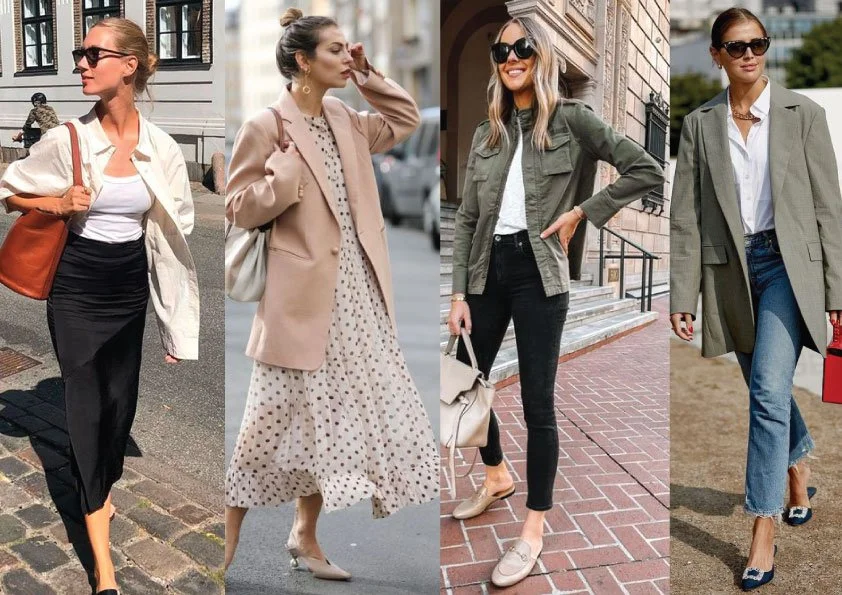
Seasonal changes rarely happen overnight. Temperatures fluctuate, mornings feel cool while afternoons warm up, and unpredictable weather makes daily dressing challenging. Instead of packing away half your closet, learning how to transition clothing between seasons helps you maximize what you already own.
With a few strategic adjustments, your wardrobe can adapt smoothly from summer to fall, winter to spring, and everything in between.
Start with Smart Layering
Layering is the most effective technique for transitional dressing. It allows you to adjust throughout the day without changing your entire outfit.
Key layering strategies:
- Base layers: Lightweight tees, tanks, or fitted long sleeves
- Middle layers: Cardigans, sweaters, vests
- Outer layers: Denim jackets, trench coats, lightweight blazers
Choose breathable fabrics so layers can be added or removed comfortably as temperatures shift.
Incorporate Lightweight Outerwear
Heavy coats may be unnecessary, but some form of outerwear is essential during transitional months.
Versatile options include:
- Trench coats
- Cropped jackets
- Utility jackets
- Lightweight wool coats
Neutral tones make outerwear easier to pair with both summer and winter staples.
Mix Warm and Cool-Weather Fabrics
Blending seasonal fabrics extends the wearability of many pieces.
Practical combinations:
- Silk skirts with knit sweaters
- Summer dresses with ankle boots
- Linen shirts under structured blazers
- Lightweight denim paired with wool cardigans
The contrast between airy and cozy fabrics creates visual depth while maintaining comfort.
Adjust Your Footwear Gradually
Footwear signals seasonal change more than most garments. Instead of an abrupt switch, rotate styles gradually.
Transitional shoe choices:
- Loafers
- Ankle boots
- White sneakers
- Closed-toe flats
Pair sandals with lightweight knits early in fall, or style boots with dresses in spring to bridge seasonal gaps.
Rethink Color Palettes
Color shifts help reflect seasonal changes without replacing entire outfits.
Transition tips:
- Introduce earthy tones like olive, rust, or camel in fall
- Add soft pastels during early spring
- Blend darker winter shades with lighter pieces
Maintaining a cohesive palette ensures older pieces still feel current.
Extend the Life of Summer Dresses
Summer dresses don’t need to disappear when temperatures drop.
Ways to restyle them:
- Add tights and ankle boots
- Layer with turtlenecks underneath
- Throw on a structured blazer
- Pair with a chunky cardigan
These simple adjustments make warm-weather staples suitable for cooler days.
Swap Heavy for Mid-Weight Fabrics
Instead of rotating your entire wardrobe, gradually replace fabric weights.
Examples:
- Trade thick wool coats for lighter wool blends
- Swap heavy knits for breathable cotton sweaters
- Replace thick denim with mid-weight alternatives
This method keeps your outfits seasonally appropriate without drastic changes.
Accessorize Strategically
Accessories help bridge seasonal transitions without altering your core outfit.
Useful additions:
- Lightweight scarves
- Structured hats
- Layered necklaces
- Textured belts
Small changes often make a noticeable difference in overall styling.
Organize Your Closet for Flexibility
Keep transitional pieces accessible. Store extreme-weather items separately so your closet reflects current needs.
Helpful organization tips:
- Place versatile layers at eye level
- Rotate footwear by season
- Keep neutral basics available year-round
An organized wardrobe simplifies daily decisions during unpredictable weather.
Why Transitional Dressing Matters
Learning to transition clothing between seasons offers practical benefits:
- Reduces unnecessary shopping
- Extends garment lifespan
- Encourages creative styling
- Saves time when temperatures fluctuate
It promotes thoughtful wardrobe management rather than constant replacement.
Frequently Asked Questions (FAQs)
1. How do I know when to start transitioning my wardrobe?
Begin when daily temperatures fluctuate significantly between morning and afternoon, making full seasonal outfits impractical.
2. What fabrics work best for transitional seasons?
Cotton blends, light wool, denim, knit fabrics, and breathable synthetics adapt well to moderate temperature shifts.
3. Can I wear boots in spring?
Yes. Choose lighter colors or ankle-length styles and pair them with dresses or cropped pants for a balanced look.
4. How do I transition from winter to spring without buying new clothes?
Layer lighter pieces under winter staples, incorporate brighter colors gradually, and swap heavy boots for lighter footwear.
5. Should I store out-of-season clothing completely?
Store extreme-weather items like heavy parkas or summer swimwear, but keep versatile basics accessible year-round.
6. How can I avoid over-layering?
Choose thin, breathable layers that fit comfortably under one another to prevent bulk.
7. Are transitional wardrobes different depending on climate?
Yes. Mild climates require fewer adjustments, while regions with dramatic seasonal shifts may need more strategic layering and fabric changes.
Transitioning clothing between seasons is less about buying new pieces and more about styling smarter. With thoughtful layering, balanced fabrics, and subtle adjustments, your wardrobe can adapt smoothly throughout the year.